Can I Buy a House With Cash in Florida?

Yes, you can buy a house with cash in Florida, and many buyers do. A cash purchase simply means you pay the full price without a mortgage. It usually closes faster, gives sellers more confidence in your offer, and skips lender-driven steps like the loan application, appraisal requirement, and loan contingency.
You still need a few key protections, though, including a title search, title insurance, and a recorded deed. Buying a house with cash in Florida is straightforward, but it is not the same as skipping due diligence.
What Does “Buying With Cash” Really Mean?
Buying with cash does not usually mean showing up with a briefcase of bills. It means you are not borrowing from a lender to fund the purchase. The money typically moves by wire transfer to the closing agent, who disburses it to the seller at closing.
Because there is no lender in the deal, several requirements simply disappear:
- No loan application or underwriting
- No lender-required appraisal
- No financing contingency in your contract
- No mortgage documents to sign at the closing table
That is why cash deals can close in as little as one to two weeks, while financed deals often take a month or more.
Why Do Sellers Prefer Cash Offers?
Sellers often accept a cash offer even when it is not the highest, because it removes the biggest risk in a sale: the buyer’s loan falling through. A cash offer signals speed and certainty.
Under the standard Florida “As-Is” residential contract used by most buyers and sellers, a cash buyer can present a clean offer with no financing contingency.
That makes the deal more attractive and gives you room to negotiate on price or terms.
What Costs Do Cash Buyers Still Pay in Florida?
Paying cash lowers your closing costs, but it does not erase them. Here is where a cash purchase saves money and where it does not.
What you avoid by paying cash:
- Documentary stamp tax on the note. Florida charges $0.35 per $100 on a promissory note. With no loan, there is no note and no tax.
- Nonrecurring intangible tax. Florida charges 0.2 percent of a new mortgage amount. No mortgage means no intangible tax.
- Lender fees, such as origination charges and appraisal costs.
What you still pay:
- Documentary stamp tax on the deed. Florida charges $0.70 per $100 of the price on the deed that transfers the property, under section 201.02, Florida Statutes. On a $400,000 home that is $2,800. The rate is different only in Miami-Dade County. You can review the current rates on the Florida Department of Revenue site.
- Title insurance and closing fees. These protect your ownership and cover the closing agent’s work.
- Recording fees to record the deed in the county’s official records.
- Property taxes and prorations owed at closing.
Under the standard “As-Is” contract, the seller customarily pays the documentary stamp tax on the deed, but this is negotiable, so read your contract.
What Should Cash Buyers Do to Protect Themselves?
A lender normally forces certain protections. When you pay cash, no one requires them, so it is on you to insist on them:
- Order a title search. This confirms the seller can legally sell and reveals liens, judgments, or claims against the property.
- Buy an owner’s title insurance policy. This protects you if a hidden title problem surfaces later, such as an old lien or a forged deed in the chain of title.
- Get a home inspection. Without a lender, no one requires it, but it can save you from expensive surprises.
- Consider a survey. A survey shows boundaries, encroachments, and easements.
- Confirm the deed is recorded. Recording gives public notice that you own the property.
- Get homeowners insurance in place before closing, and confirm flood zone status, which matters in much of Florida.
Working with a real estate attorney or a reputable title company gives you a professional who checks these boxes and reviews your documents before you wire any money.
Is There a Reporting Rule for Cash Home Purchases in 2026?
There is a federal rule worth knowing about, but it does not apply to most individual buyers. The Financial Crimes Enforcement Network (FinCEN) issued a Residential Real Estate Rule that took effect March 1, 2026. It requires closing professionals to report certain all-cash residential purchases, but only when the buyer is a legal entity or a trust, not an individual buying in their own name.
The status is in flux. In March 2026, a federal court vacated the rule, and the government appealed. As a result, reporting is currently paused. For the latest status, check the FinCEN Residential Real Estate Rule page. If you plan to buy through an LLC or a trust, ask your attorney whether any reporting applies to your closing.
For an individual buying a Florida home with personal funds in their own name, this rule is not a concern.
Frequently Asked Questions
Do I need a real estate agent to buy with cash?
No, but many buyers still use one. Whether or not you do, a title company or real estate attorney should handle the title work and closing.
Can I skip title insurance if I pay cash?
You can, but it is risky. Without a lender requiring it, an owner’s title policy is your only protection against hidden title defects.
Is a cash purchase really faster?
Usually yes. Removing the loan process often cuts the timeline to one or two weeks, limited mainly by the title search and closing logistics.
Do I still pay closing costs on a cash deal?
Yes. You avoid loan-related taxes and fees, but you still pay for title insurance, recording, prorated property taxes, and closing services.
Should I still get an inspection?
Yes. Nothing requires it on a cash deal, but an inspection can reveal problems that cost far more than the inspection fee.
Ready to Buy a Home in Central Florida?
Buying a house with cash in Florida can be fast and smooth, but the protections a lender usually requires are now up to you. A real estate attorney at Vollrath Law can run your title work, review your contract, and handle your closing so your purchase is clean and fully protected. Contact our office to schedule a consultation.
This article is for general information only and is not legal advice. Real estate transactions vary based on the property, county, and terms of your contract.
Author Bio
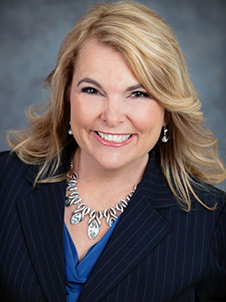
Sharon L. Vollrath, Esq. is a skilled family law attorney and co-founder of Vollrath Law, dedicated to assisting clients in Central Florida with a wide range of family law matters, including divorce, child custody, child support, alimony, and property division. With a strong educational background and hands-on legal experience, Sharon is committed to providing compassionate and effective legal representation to families in need.
Sharon earned her Juris Doctor from Barry University School of Law in Orlando, where she gained valuable experience through internships at the Seminole County Legal Aid Society and Community Legal Services of Mid-Florida. These experiences further solidified her commitment to family law and her ability to navigate complex legal issues. At Vollrath Law, Sharon’s personalized approach ensures that each client receives the guidance, support, and legal advocacy needed to achieve the best possible outcomes in their family law cases.