What is an Ancillary Probate in Florida?

Your father lived his entire life in New York. But every winter, he stayed at his condo in Naples. Now he’s passed away, and you’re learning that probating his estate in New York isn’t enough. You need a second probate proceeding in Florida just to handle that one piece of property.
This is ancillary probate, and it catches many families off guard.
What Does Ancillary Probate Mean in Florida?
Ancillary probate is a secondary probate process required when someone dies owning real property in Florida but was living (domiciled) in another state at the time of death.
Here’s how it works:
- Primary probate happens in the state where the person lived (called domiciliary administration)
- Ancillary probate is a separate proceeding in Florida specifically for Florida property
- Two parallel processes run simultaneously, each governed by different state laws
Florida Statute § 734.102 requires this separate proceeding because Florida courts have exclusive jurisdiction over Florida property.
Even if you’ve been appointed as executor in another state, you don’t automatically have authority to act in Florida.
You need Florida probate court approval to sell, transfer, or distribute Florida real estate.
When is Ancillary Probate Required in Florida?
According to Florida Statute § 734.102, ancillary probate is necessary when a non-resident dies leaving:
- Real property in Florida
- Credits due from Florida residents
- Liens on Florida property
Real estate is the most common trigger. This includes:
- Vacation homes or condos
- Investment properties
- Undeveloped land
- Commercial real estate
- Timeshare interests
Personal property like bank accounts or vehicles may also require ancillary probate in certain situations, but real estate is what typically drives the need for this process.
How Can You Avoid Ancillary Probate in Florida?
Not every situation requires ancillary probate. The process can be avoided if:
- The property was owned jointly with right of survivorship (automatically transfers to the surviving owner)
- Assets were held in a properly funded revocable living trust
- The property was owned as tenancy by the entirety between spouses
- A transfer-on-death deed was properly executed (Florida is one of the few states that allows this)
- The total Florida estate value qualifies for simplified disposition procedures under Florida law
These planning strategies can save your heirs significant time and expense.
What is the Ancillary Probate Process in Florida?
The ancillary probate process mirrors Florida’s regular probate procedures. It can be either a formal administration or summary administration, depending on the value and circumstances.
For Estates Over $150,000 or With Complications
Formal ancillary administration is required when:
- Florida assets exceed $150,000
- The estate has debts that need to be addressed
- Heirs disagree about the distribution
- There are unknown creditors or complex issues
This process includes appointing a personal representative, publishing notice to creditors, and following all the steps of a standard Florida probate.
For Smaller or Simpler Estates
Summary administration may be available if:
- The Florida assets are worth $150,000 or less, or
- The decedent has been deceased for more than two years
Summary administration moves faster, often taking less than a month when everything is straightforward.
Who Can Serve as Personal Representative in Ancillary Probate?
Florida has specific requirements for who can serve as personal representative.
According to Florida Statute § 733.304, the personal representative must be either:
- Related to the decedent by blood, or
- A resident of Florida
If the will specifically names someone to handle Florida property, that person gets first priority. Otherwise, the foreign personal representative from the domiciliary state can serve if they meet Florida’s qualifications.
If not, an alternate or successor named in the will may qualify.
If no one in the will qualifies, those entitled to a majority interest in the Florida property can select a qualified personal representative.
What Documents Do You Need for Ancillary Probate?
To start ancillary administration in Florida, you’ll need:
- Two original death certificates (one for the court, one for the property records)
- Authenticated copies of the domiciliary proceedings from the home state, including:
- The will and any codicils
- Petition for probate
- Court order admitting the will to probate
- Proof of authority of the personal representative
The petition must be filed in the Florida county where the real property is located. The Florida Probate Rules govern the specific requirements for filing.
How Long Does Ancillary Probate Take in Florida?
Timeline depends on whether the proceeding is contested or uncontested.
1. For uncontested cases, ancillary probate can move relatively quickly.
- Summary administration cases often conclude in a few weeks to a couple of months.
- Formal administration typically takes several months but may be faster than regular probate since it deals with a limited scope of assets.
2. Contested proceedings take longer.
- If there are disputes about property ownership, will validity, or distribution, the process requires evidentiary hearings and can extend for many months or even years.
Do You Need to Be Present in Florida for Ancillary Probate?
No. Out-of-state executors and family members do not need to travel to Florida to handle uncontested ancillary probate.
Florida attorneys can manage the entire process remotely. Documents can be signed electronically or sent by mail, and most hearings (if required) can be handled by your Florida attorney without your physical presence.
Only in contested matters where testimony is needed would you potentially need to appear in court.
What Does Ancillary Probate Cost in Florida?
Costs depend on the complexity of the estate. Typical expenses include:
- Attorney fees
- Court filing fees
- Publication costs for notice to creditors
- Personal representative bond (unless waived by the will)
- Property appraisal fees
- Real estate commissions if the property is sold
Many Florida probate attorneys charge flat fees for uncontested ancillary administration, making costs more predictable.
What Happens to Florida Property After Ancillary Probate?
After all administration expenses and valid claims are paid, the court orders the remaining Florida property either:
- Transferred to the foreign personal representative to distribute with the rest of the estate, or
- Distributed directly to the beneficiaries according to the will or Florida intestacy law
Once the ancillary personal representative files the final accounting and receives court approval, the Florida property can be sold, re-titled to heirs, or transferred as directed by the will.
Can You Handle Both Probates Simultaneously?
Yes. The domiciliary administration in the decedent’s home state and the Florida ancillary administration typically proceed at the same time.
They’re separate proceedings, but they work in parallel.
Communication between the attorneys handling each probate helps coordinate the process and avoid unnecessary complications.
The Florida ancillary personal representative has the same authority as any Florida personal representative to manage, sell, or distribute the local property.
Get Help With Florida Ancillary Probate
Ancillary probate adds complexity to an already difficult time. If your loved one owned Florida property but lived elsewhere, you need a Florida probate attorney who understands how to coordinate with out-of-state proceedings.
Contact Vollrath Law to discuss your Florida ancillary probate case.
We handle these matters efficiently for families across the country, and we can manage the process without requiring you to travel to Florida.
Author Bio
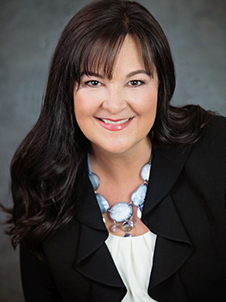
Stephanie Vollrath is an Owner and Partner of Vollrath Law, a Florida estate planning law firm she founded in 2013. With more than seven years of experience in investments and financial advising and 13 years practicing law in Florida, she represented clients in a wide range of estate planning cases. Her practice areas include wills, trusts, guardianship, probate, and other estate planning matters.
Stephanie received her Juris Doctor from the Barry University Dwayne O. Andreas School of Law and is a member of the Florida Bar and the Seminole County Bar Association.