Do All Assets Go Through Probate in Florida?

You just inherited your father’s estate. The lawyer mentions probate, and suddenly you’re imagining months of paperwork, court dates, and legal fees for every single account and piece of property he owned.
Not all assets go through probate in Florida.
Many assets transfer directly to beneficiaries without any court involvement. Knowing which assets avoid probate can save your family months of waiting and thousands in legal costs.
What Makes an Asset Subject to Probate in Florida?
Probate assets are things the deceased person owned in their name alone, with no way for those assets to automatically transfer to someone else.
Common probate assets:
- Bank accounts in the deceased person’s name only
- Investment accounts without beneficiary designations
- Real estate titled solely in the deceased person’s name
- Vehicles titled only in their name
- Personal belongings like jewelry, furniture, and collections
- Business interests owned individually
The key factor is control.
If the deceased person was the only one who could access or control the asset, and there’s no legal mechanism for automatic transfer, it goes through probate.
Here’s what catches people off guard:
Even if you’re named in a Will to inherit something, that doesn’t mean it avoids probate. The Will itself must go through probate for a judge to validate it and authorize distribution.
Assets That Avoid Probate Florida Law Allows
Florida law provides several ways to own or designate assets so they bypass probate entirely.
1. Joint Ownership with Right of Survivorship
When two people own property together with right of survivorship, the asset automatically transfers to the surviving owner when one dies.
This applies to:
- Bank accounts
- Investment accounts
- Real estate
The property doesn’t become part of the probate estate. The surviving owner continues to own it outright.
2. Tenancy by the Entireties
This special form of joint ownership is only available to married couples in Florida.
Property held as tenants by the entireties automatically passes to the surviving spouse without probate.
Most married couples who buy a home together in Florida hold title as tenants by the entireties, even if they don’t realize it.
3. Payable-on-Death (POD) Accounts
Many banks allow you to name a beneficiary who receives the account funds when you die.
The beneficiary has no access during your lifetime, but the account transfers directly to them upon your death.
According to Florida Statutes governing transfer-on-death accounts, these designations are legally binding and bypass probate.
POD designations work for:
- Checking accounts
- Savings accounts
- Certificates of deposit
4. Transfer-on-Death (TOD) Designations
Similar to POD accounts, TOD designations work for investment accounts and securities.
You retain full control of the investments during your lifetime, but they transfer to your named beneficiary when you die.
Enhanced life estate deeds (Lady Bird deeds):
In Florida, real estate can also use a transfer-on-death designation through an enhanced life estate deed, commonly called a “Lady Bird deed.”
This allows you to keep control of your property during your lifetime while naming who receives it after your death.
5. Life Insurance and Annuities
Life insurance proceeds pass directly to the named beneficiaries.
They don’t go through probate unless you name your estate as the beneficiary (which you should avoid).
The same applies to annuities. As long as you’ve named a person as beneficiary rather than your estate, the funds transfer directly.
6. Retirement Accounts
401(k)s, IRAs, and other retirement accounts transfer directly to your named beneficiaries.
The designation you filed with the financial institution controls who receives the account, not your Will.
Critical point:
Keep beneficiary designations up to date. A divorced spouse might still receive your retirement account if you never updated the beneficiary form, even if your Will says otherwise.
7. Property Held in Revocable Living Trusts
Assets you transfer to a revocable living trust during your lifetime are not part of your probate estate.
The trust document directs how those assets get distributed, and no court involvement is needed.
The Florida Trust Code governs how trusts operate in Florida. Revocable living trusts are a popular estate planning tool specifically because they avoid probate.
Common Probate Mistakes Florida Families Make
Even when you think everything is set up to avoid probate, mistakes happen.
Forgetting to update beneficiary designations:
- Your 401(k) still lists your ex-spouse from 15 years ago
- Your life insurance names your deceased parent
- Your bank account has no POD designation at all
These oversights send assets through probate or worse, to the wrong person.
Naming minors as direct beneficiaries:
If you name your minor child as a life insurance beneficiary, the insurance company can’t pay out to a child.
The court will need to appoint a guardian to manage the funds, which involves probate court.
Failing to fund your trust:
Creating a revocable living trust is only half the work. You must actually transfer assets into the trust’s name.
What needs to be transferred:
- Real estate needs new deeds
- Bank accounts need to be retitled
- Investment accounts must be transferred
If you die with assets still in your individual name, those assets go through probate even though you have a trust.
Assuming joint accounts always avoid probate:
Not all joint accounts include right of survivorship.
If you add someone to your bank account as a signer for convenience but don’t specify survivorship rights, that account might still need probate.
Misunderstanding homestead property:
Florida’s homestead laws are complicated.
Even if your home would otherwise avoid probate through joint ownership or a Lady Bird deed, special rules apply if you’re married or have minor children.
The Florida Constitution’s homestead protections limit how you can transfer homestead property, regardless of what your estate plan says.
What Happens to Assets That Do Go Through Probate?
When assets must go through probate in Florida, here’s the process.
The court appoints a personal representative who:
- Identifies all probate assets
- Pays valid debts and expenses
- Distributes what’s left to the beneficiaries
Timeline and cost:
For estates worth more than $150,000 or where the person died less than two years ago, this process is called formal administration. It typically takes 6 to 12 months.
Smaller estates may qualify for summary administration, a faster process that usually wraps up in a few months.
Either way, probate means court involvement, attorney fees, and public records of the estate’s details.
Plan Ahead to Minimize Probate
The time to think about probate is now, before you or your loved ones need to deal with it.
- Review your asset ownership and beneficiary designations regularly.
Make sure everything is set up the way you want it.
- Consider whether a revocable living trust makes sense for your situation.
For many Florida families, trusts provide an effective way to avoid probate on major assets like homes and investment accounts.
- Update your estate plan when life changes.
Marriage, divorce, births, deaths, and major purchases all affect your estate plan.
Work with Experienced Florida Probate Attorneys
Not all assets avoid probate Florida law requires, but many can with proper planning.
The probate attorneys at Vollrath Law help Central Florida families plan estates that minimize probate and make asset transfer as simple as possible. We also guide families through probate when it’s necessary, handling the court filings and legal requirements so you can focus on what matters.
If you’re dealing with a loved one’s estate or want to make sure your own affairs are in order, contact Vollrath Law to discuss your probate and estate planning needs.
Author Bio
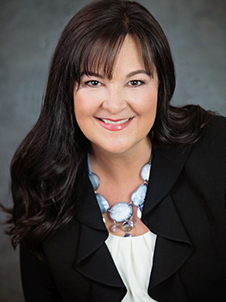
Stephanie Vollrath is an Owner and Partner of Vollrath Law, a Florida estate planning law firm she founded in 2013. With more than seven years of experience in investments and financial advising and 13 years practicing law in Florida, she represented clients in a wide range of estate planning cases. Her practice areas include wills, trusts, guardianship, probate, and other estate planning matters.
Stephanie received her Juris Doctor from the Barry University Dwayne O. Andreas School of Law and is a member of the Florida Bar and the Seminole County Bar Association.