Can a Personal Representative Refuse an Appointment in Florida?

Your mother’s will just named you as personal representative.
You’re grieving, overwhelmed, and now someone is telling you that you need to handle her entire estate.
Manage her finances. Deal with creditors. File paperwork with the court. Handle probate. Make sure everything gets distributed correctly to your siblings.
But here’s the thing: you don’t want to do it. You’re asking yourself: can I say no?
The short answer is yes. In Florida, you can refuse appointment as personal representative—and doing so is your legal right.
Here’s what you need to know about declining this responsibility and what happens next.
Your Rights Under Florida Probate Law
No one can force you to serve as a personal representative.
Even if you’re specifically named in the will, you have the absolute right to decline the appointment.
According to Section 733.301, Florida Statutes, being nominated in a will gives you priority for the appointment, but it doesn’t obligate you to serve.
This is true whether:
- You’re named in the will as executor or personal representative
- You’re next in line under Florida’s priority rules
- You’re the surviving spouse or adult child
You don’t need to provide a reason for declining. It’s your choice.
When Refusing Makes Sense
Serving as a personal representative is a significant responsibility that requires time, attention, and careful decision-making.
There are many valid reasons to decline, including:
- You live far from Florida, and managing the estate would be difficult
- You have health issues or personal obligations that prevent you from fulfilling the duties
- The estate is complex with business interests, substantial debts, or difficult assets
- There are family conflicts that would make serving stressful or contentious
- You lack financial or legal expertise needed to manage the estate properly
- You have a conflict of interest that could create problems
- You simply don’t want the responsibility or feel overwhelmed
Remember: serving as a personal representative is a fiduciary duty with legal consequences if you make mistakes. If you’re not comfortable with the role, it’s better to decline upfront than to struggle later.
How to Formally Decline the Appointment
If you want to refuse an appointment as a personal representative, you need to do so formally.
Here’s the process:
Before Letters of Administration Are Issued
If you haven’t been appointed yet, you can decline by filing a written declination with the probate court.
This document states that you’re declining the appointment. Once filed, you have no further obligation, and the court will appoint the next person in line.
What a Declination Includes
A proper declination should:
- Be in writing
- Identify the estate and case number
- Clearly state that you’re declining the appointment
- Be filed with the court before you receive letters of administration
You can file this document yourself or have an attorney prepare it for you.
After You’ve Already Been Appointed
If you’ve already received letters of administration and want to step down, the process is different.
Under Section 733.502, Florida Statutes, you can resign as personal representative, but you must:
- File a petition for resignation with the court
- Provide notice to all interested parties (beneficiaries, heirs, creditors)
- File a final accounting showing all actions you took while serving
- Transfer estate assets to the successor personal representative
- Wait for court approval before your resignation is accepted
The court will only accept your resignation if it won’t jeopardize the estate’s interests.
What Happens When You Decline or Resign
When you refuse an appointment or resign, someone else must step in to administer the estate.
The Order of Priority in Florida
Florida law establishes a clear order of priority for who serves as personal representative.
For estates with a will (Section 733.301, Florida Statutes):
- The person nominated in the will (or their successor)
- The person selected by a majority of beneficiaries
- Any beneficiary under the will
For estates without a will (intestate):
- The surviving spouse
- The person selected by a majority of heirs
- The heir nearest in degree (usually children, then parents, then siblings)
If no one in these categories is willing or able to serve, the court can appoint any qualified person.
Appointing a Successor Personal Representative
When you decline or resign, the next person in line must:
- Meet Florida’s qualification requirements
- Be a resident of Florida or related to the decedent (Section 733.304, Florida Statutes)
- Not disqualified due to a felony conviction, mental incapacity, or being under 18
The successor personal representative will receive letters of administration and assume all duties going forward.
Important Considerations Before You Decide
Before declining the appointment, consider a few things:
You Can Hire Professionals to Help
Many people don’t realize that personal representatives can—and should—hire attorneys, accountants, and other professionals to help manage the estate.
The estate pays for these services, not you personally.
If your concern is about the complexity or time commitment, professional help can make the role much more manageable.
Compensation is Available
Personal representatives are entitled to reasonable compensation for their work.
Under Section 733.617, Florida Statutes, compensation is based on the estate’s value:
- 3% of the first $1 million of estate value
- 2.5% on amounts above $1 million up to $5 million
- 2% on amounts above $5 million up to $10 million
- 1.5% on amounts above $10 million
Additional compensation can be awarded for extraordinary services.
If time and effort are concerns but you’re otherwise willing to serve, compensation may make it worthwhile.
Family Relationships Matter
Sometimes declining the role can create family tension.
Other family members might see your refusal as:
- Not caring about the deceased person
- Avoiding responsibility
- Creating additional work for others
- Rejecting their wishes
While you have every right to decline, it’s worth considering how your decision might affect family relationships during an already difficult time.
The Alternative Might Not Be Better
If you decline and no one suitable is willing to serve, the court may appoint a professional fiduciary or administrator.
This person will charge the estate fees and may not have the personal connection or understanding of family dynamics that you would bring to the role.
Sometimes serving—even reluctantly—is better than leaving the estate in the hands of a stranger.
What If You’re Having Second Thoughts After Accepting?
Maybe you accepted the appointment but now realize it’s more than you can handle.
That’s okay. You can resign.
However, resignation isn’t automatic. You must:
- Continue fulfilling your duties until the court accepts your resignation
- Properly account for all actions you’ve taken
- Transfer assets and records to the successor
Abandoning the role without following proper procedures can result in personal liability for any harm to the estate.
If you’re struggling, talk to a probate attorney. They can help you either resign properly or get the support you need to continue.
Protect Yourself and the Estate
Whether you’re considering refusing an appointment or resigning after you’ve been appointed, proper legal guidance is essential.
Mistakes in how you handle the refusal or resignation can:
- Delay the probate process
- Create liability for you personally
- Cause conflict with beneficiaries
- Result in court sanctions
An experienced probate attorney can:
- Prepare the necessary documents
- Ensure you meet all legal requirements
- Protect your interests throughout the process
- Help you make an informed decision about whether to serve
Let Vollrath Law Help You Make the Right Decision
Deciding whether to serve as a personal representative is a significant choice.
At Vollrath Law, our probate attorneys help people throughout Central Florida navigate these decisions with clarity and confidence.
We understand the legal and emotional challenges you’re facing, and we’re here to guide you through every step—whether you choose to serve or decline.
Don’t make this decision without legal advice—contact us today for a consultation.
Common Questions About Refusing Appointment as Personal Representative
Can I be forced to serve as personal representative?
No. You cannot be forced to serve. Even if you’re named in the will or have priority under Florida law, you can decline the appointment.
Will I face legal consequences for declining?
No. Declining appointment has no legal consequences as long as you do so properly before accepting the role or follow the resignation process if you’ve already been appointed.
What if I’m the only family member who qualifies?
If you’re the only person who meets Florida’s qualification requirements and you decline, the court can appoint a professional administrator or any other qualified person to serve.
Can I change my mind after declining?
Once someone else has been appointed, you typically cannot reclaim the role unless the current personal representative resigns or is removed and you still have priority.
Do I need an attorney to file a declination?
While you can file a declination yourself, an attorney can ensure it’s done correctly and advise you on any implications for the estate or your relationship with beneficiaries.
What happens to the estate if everyone refuses?
If all family members with priority decline, the court will appoint a professional administrator or curator to manage the estate. This person will be paid from estate assets.
Author Bio
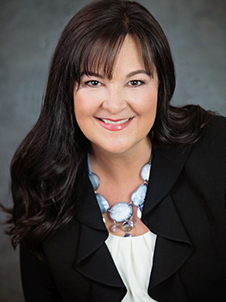
Stephanie Vollrath is an Owner and Partner of Vollrath Law, a Florida estate planning law firm she founded in 2013. With more than seven years of experience in investments and financial advising and 13 years practicing law in Florida, she represented clients in a wide range of estate planning cases. Her practice areas include wills, trusts, guardianship, probate, and other estate planning matters.
Stephanie received her Juris Doctor from the Barry University Dwayne O. Andreas School of Law and is a member of the Florida Bar and the Seminole County Bar Association.