Do You Have to Go Through Probate If the House Is in a Trust?

If the house is properly held in a revocable living trust, you can skip probate entirely. Property in a trust transfers directly to beneficiaries without court involvement, saving you time, money, and headaches during an already difficult time.
But there are important details you need to understand to make sure the house actually avoids probate.
How Trusts Avoid Probate in Florida
Under Florida law, property held in a trust is considered a non-probate asset. This means it bypasses the probate process completely.
When someone dies, their probate estate only includes assets they owned individually in their name alone. Property held in trust isn’t part of the probate estate because the trust—not the deceased person—technically owns the property.
According to Florida Statutes Chapter 733, probate administration is only necessary for assets that were solely in the decedent’s name at death. Trust assets transfer according to the trust document, not through the probate court.
This is one of the primary reasons people create revocable living trusts—to avoid the time and expense of probate.
What Happens to a House in a Trust After Death
When the person who created the trust (the grantor) dies, the house doesn’t go through probate. Instead, here’s what happens:
- The successor trustee takes over. The trust document names a successor trustee who steps in to manage the trust after the grantor’s death.
- The trust continues to own the property. The house remains titled in the name of the trust. There’s no need to transfer ownership through probate court.
- Distribution happens according to the trust terms. The successor trustee distributes the property to the named beneficiaries as outlined in the trust document. This can happen relatively quickly—often within weeks or a few months rather than the year or more that probate typically takes.
The beneficiaries receive the property without court supervision, creditor claims periods, or other probate requirements.
Requirements for a House to Avoid Probate Through a Trust
For a house to successfully bypass probate, certain requirements must be met:
The Property Must Be Properly Titled in the Trust’s Name
This is crucial. Simply having a trust document isn’t enough. The house deed must actually be transferred into the trust’s name.
The deed should show ownership as something like “John Smith, as Trustee of the John Smith Revocable Living Trust dated January 1, 2020.”
If the deed was never changed and still shows the individual’s name alone, the property will go through probate—even if the trust says it should receive the house.
The Trust Must Be Valid and Enforceable
The trust document must meet Florida’s legal requirements under Chapter 736 of the Florida Statutes, which governs trusts in Florida.
The trust needs to be properly executed, with the grantor’s signature and any required witnesses, depending on when it was created.
The Trust Must Not Be Revoked
If the grantor revoked the trust before death, the property would fall back into their individual ownership and become subject to probate.
Important Exception: Homestead Property
Florida has unique homestead laws that can complicate trust planning.
Your primary residence in Florida receives special constitutional protections. These protections include restrictions on who can inherit homestead property when you die.
Homestead Restrictions on Devises
According to Florida Statute Section 732.4015, if you’re survived by a spouse or minor children, you generally cannot devise (transfer through a will or trust) your homestead property to anyone except your spouse.
However, there’s an important clarification under Section 732.4017.
Irrevocable Transfers Avoid These Restrictions
If you transfer homestead property into an irrevocable trust during your lifetime—meaning you give up the power to change or revoke it—that transfer is not considered a “devise” subject to homestead restrictions.
The key is that you cannot retain the power to revoke the trust or take the property back. If you retain that right of revocation, the transfer could still be treated as a devise subject to homestead limitations.
Most people use revocable living trusts, which by definition allow the grantor to maintain control and make changes. These may face homestead complications if you’re survived by a spouse or minor children.
Working Within Homestead Rules
If you’re married or have minor children and want to place your homestead in a trust, you need careful planning. Options include:
- Transferring the property to an irrevocable trust (giving up control)
- Ensuring your spouse is the sole beneficiary of a revocable trust containing the homestead
- Waiting until children are no longer minors
- Working with an experienced estate planning attorney to structure the trust properly
The Florida Constitution Article X, Section 4 provides strong protections for surviving spouses and minor children. Any estate plan involving homestead property must account for these rules.
What If the House Wasn’t Transferred Into the Trust?
This is a common problem. Someone creates a trust but never actually re-titles their house into the trust’s name.
In this situation, the house will go through probate because it’s still individually owned. The trust exists, but it doesn’t own the property, so it can’t control what happens to it.
If you discover this problem after someone’s death, you’ll likely need to open a probate administration. The personal representative can then work with the court to distribute the property according to the will or, if there’s no will, according to Florida’s intestacy laws.
This is why it’s critical to properly “fund” a trust by actually transferring assets into it—not just creating the trust document and hoping it works.
Other Assets That Avoid Probate
Beyond trusts, Florida law recognizes several other ways property can bypass probate:
- Joint ownership with right of survivorship. Property owned jointly by two or more people automatically passes to the surviving owner(s) at death.
- Tenancy by the entirety. Married couples in Florida can own property as tenants by the entirety, which includes automatic survivorship rights.
- Payable-on-death (POD) designations. Bank accounts with POD beneficiaries transfer directly to those beneficiaries without probate.
- Transfer-on-death (TOD) designations. Investment accounts and even real estate in Florida can use TOD designations to bypass probate.
- Life insurance and retirement accounts. These transfer directly to named beneficiaries outside of probate.
However, revocable living trusts offer advantages beyond simply avoiding probate. They provide privacy (probate is public record), can help with estate tax planning, and offer ongoing management for beneficiaries who might not be ready to manage property themselves.
Revocable vs. Irrevocable Trusts
The type of trust matters when it comes to probate avoidance.
Revocable Living Trusts
Most people use revocable living trusts for probate avoidance. These trusts:
- Allow the grantor to maintain control during their lifetime
- Can be amended or revoked at any time while the grantor is alive and competent
- Avoid probate at death because the trust, not the individual, owns the assets
- May face homestead complications if you’re survived by a spouse or minor children
Section 733.707(3)(e) defines a “right of revocation” as the power to amend or revoke the trust and revest the principal in yourself, or to withdraw the trust property for your benefit.
Irrevocable Trusts
Irrevocable trusts also avoid probate, but they work differently:
- The grantor cannot change or revoke the trust after it’s created
- Assets are permanently removed from the grantor’s estate
- They may offer additional benefits like asset protection and estate tax savings
- Homestead property in an irrevocable trust is not subject to devise restrictions
The right type of trust depends on your specific situation and goals.
When Probate Is Still Necessary Despite a Trust
Even with a properly funded trust, you might still need to open a probate proceeding in certain situations:
- Assets weren’t transferred into the trust. Any property still in the decedent’s individual name goes through probate.
- Claims against the estate. If there are creditor claims or disputes, probate might be necessary to resolve them properly.
- Homestead complications. If homestead property was improperly placed in a revocable trust and constitutional restrictions were violated, probate court involvement may be required.
- Pour-over will provisions. Many people with trusts also have a “pour-over will” that catches any assets not already in the trust and directs them into the trust through probate. This is intentional—a safety net for forgotten assets.
- Small estate options. Florida offers simplified probate procedures like summary administration for smaller estates, which can be quicker and less expensive than formal administration.
Protect Your Family’s Inheritance With Proper Trust Planning
Setting up a trust is just the first step. Making sure your house and other assets are properly titled in the trust’s name is what actually keeps them out of probate.
Many families discover too late that their loved one’s trust was never funded, or that homestead restrictions create complications they didn’t anticipate.
At Vollrath Law, we help Central Florida families create comprehensive estate plans that actually work when you need them most. We make sure your trust is properly established, your property is correctly titled, and your plan complies with Florida’s unique homestead laws.
We guide you through the entire process—from initial planning to funding your trust to reviewing your plan as your life changes.
Don’t leave your family dealing with probate court, legal fees, and delays during an already difficult time.
Contact Vollrath Law today to protect your home and secure your family’s future with a properly structured trust that avoids probate complications.
Author Bio
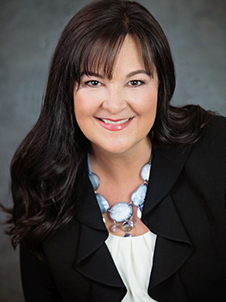
Stephanie Vollrath is an Owner and Partner of Vollrath Law, a Florida estate planning law firm she founded in 2013. With more than seven years of experience in investments and financial advising and 13 years practicing law in Florida, she represented clients in a wide range of estate planning cases. Her practice areas include wills, trusts, guardianship, probate, and other estate planning matters.
Stephanie received her Juris Doctor from the Barry University Dwayne O. Andreas School of Law and is a member of the Florida Bar and the Seminole County Bar Association.