Florida Probate Rules Explained (2026 Update): What Personal Representatives Need to Know

When someone passes away in Florida, their assets typically go through a court-supervised process called probate. The purpose of probate is to ensure the deceased person’s assets are properly distributed to their beneficiaries and any outstanding debts are paid.
If you’ve been named as the personal representative in the will of an estate in Florida, it’s crucial to understand the state’s probate rules to fulfill your responsibilities effectively. And if you’re reading this in 2026, take note: Florida just made some of the most significant changes to its probate rules in years.
What Changed in Florida Probate Law in 2026
On April 29, 2026, the Governor signed CS/HB 1337 (Chapter 2026-57, Laws of Florida), which took effect July 1, 2026. Two changes matter most for families:
- The summary administration limit doubled to $150,000. An estate now qualifies for summary administration if the value of its nonexempt assets is $150,000 or less (up from $75,000), or if the decedent has been dead for more than two years. Protected homestead property does not count toward the limit. Read our full breakdown of the new $150,000 summary administration limit.
- Disposition without administration doubled to $20,000. Very small estates consisting of exempt property and modest final-expense reimbursements can now skip probate entirely when qualifying assets don’t exceed $20,000 (up from $10,000).
The practical effect: many more Florida estates now qualify for the faster, cheaper form of probate, or for no probate at all.
Florida Probate Process
The Florida probate process is governed by the Florida Probate Rules and Florida Statutes Chapters 731-735. There are two main types of probate administration in Florida: formal administration and summary administration.
Formal Administration
Formal administration is the standard form of probate in Florida, used for estates that don’t qualify for summary administration. The court appoints a personal representative to manage the estate, pay debts, and distribute assets to beneficiaries.
Summary Administration
Summary administration is an abbreviated probate process for smaller estates. As of July 1, 2026, the estate must have $150,000 or less in nonexempt assets, or the decedent must have been dead for more than two years. No personal representative is appointed, and the process typically concludes in a matter of weeks rather than months.
In some cases, probate may not be necessary at all. If the deceased person’s assets were held in a trust, owned jointly with rights of survivorship, or carried beneficiary designations, those assets pass directly to the beneficiaries without going through probate.
Key Responsibilities of the Personal Representative Under Florida Probate Rules
As the personal representative, you have several important duties under the Florida Probate Rules. One of the first steps is filing the petition for administration with the circuit court in the county where the deceased person lived. This petition opens the probate case.
Next, once appointed by the court, you will need to identify, gather, and inventory the probate assets. It’s essential to understand the difference between probate and non-probate assets.
Distinguish Between Probate and Non-Probate Assets
Probate assets are those owned solely by the deceased person, without a beneficiary designation, at the time of death. Common examples include:
- Real estate owned solely in the decedent’s name, or as tenants in common with another party
- Bank accounts and investments in the decedent’s name alone, with no named beneficiary
- Personal property like vehicles, jewelry, and household items
Non-probate assets, on the other hand, transfer automatically to beneficiaries outside of probate. Examples include:
- Assets held in a trust
- Property owned jointly with right of survivorship, or real estate covered by a recorded lady bird deed
- Accounts with named beneficiaries, such as bank and investment accounts, life insurance, and retirement accounts
Creditor Claim Deadlines Under Florida Statutes
Under Florida law, creditors have a limited time to file claims against the estate. You must publish a Notice to Creditors and serve it on known or reasonably ascertainable creditors. Creditors then have three months from the first publication date to file their claims. If they miss this deadline, their claims are generally barred (section 733.702, Florida Statutes), and no claim may be brought more than two years after death (section 733.710).
After debts are paid, you’ll distribute the remaining assets to the beneficiaries according to the will or Florida’s intestate succession laws, then close the estate by filing the appropriate paperwork with the court.
Florida Probate Deadlines and Timeline
Several deadlines under the Florida Probate Rules and Statutes catch personal representatives off guard:
- 10 days: The custodian of the original will must deposit it with the clerk of court within 10 days of learning of the death (section 732.901, Florida Statutes).
- 60 days: After letters of administration are issued, the personal representative generally must file the estate inventory within 60 days (Fla. Prob. R. 5.340).
- 3 months: Creditors have three months from first publication of the Notice to Creditors to file claims.
As for overall timing, summary administration often wraps up in roughly one to two months, while formal administration typically takes six months to a year, longer if the estate is complex or disputes arise.
Do You Need an Attorney for Florida Probate?
In most formal administrations, yes. Florida Probate Rule 5.030 requires the personal representative to be represented by an attorney unless the personal representative is the only interested person (or is themselves a licensed Florida attorney). Even where representation isn’t strictly required, such as many summary administrations, an experienced Florida probate attorney helps you meet deadlines, avoid personal liability, and keep the process moving.
Unique Aspects of Probate in Florida
Florida has some unique rules when it comes to probate. The state has strong homestead protections: a person’s primary residence may be exempt from creditor claims and may pass to certain family members outside of probate (Fla. Const. art. X, §4).
Florida law also provides for family allowances and the elective share rights of a surviving spouse. The surviving spouse may be entitled to a percentage of the estate even if the will provides otherwise (sections 732.201-732.228, Florida Statutes).
If the deceased person lived outside of Florida but owned property in the state, ancillary administration may be necessary. This is a separate probate proceeding to handle the Florida assets.
Florida Probate Rules FAQs
What is the small estate limit in Florida in 2026?
As of July 1, 2026, estates with $150,000 or less in nonexempt assets qualify for summary administration, and very small estates of up to $20,000 in qualifying assets may use disposition without administration. Protected homestead doesn’t count toward these limits.
What is the 10-day rule in Florida probate?
Whoever holds the decedent’s original will must deposit it with the clerk of the circuit court within 10 days of learning of the death, even if no probate case will be opened.
How long does probate take in Florida?
Summary administration commonly takes one to two months. Formal administration usually takes six months to a year, depending on the estate’s complexity, creditor issues, and whether disputes arise.
Do all estates have to go through probate in Florida?
No. Assets held in trust, jointly owned property with survivorship rights, accounts with beneficiary designations, and real estate covered by a lady bird deed all pass outside of probate.
Contact Vollrath Law for Florida Probate Help
Serving as a personal representative in Florida comes with significant responsibilities, and the rules just changed in meaningful ways. By understanding Florida’s probate rules, you can fulfill your duties effectively and ensure the deceased person’s wishes are carried out.
If you’re feeling overwhelmed or have questions about the probate process, don’t hesitate to reach out. At Vollrath Law, we guide personal representatives throughout Oviedo, Seminole County, and Central Florida through every stage of probate, from first filing to final distribution.
Contact us today to learn more about how we can assist you.
Author Bio
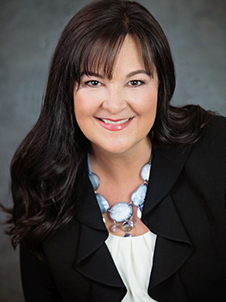
Stephanie Vollrath is an Owner and Partner of Vollrath Law, a Florida estate planning law firm she founded in 2013. With more than seven years of experience in investments and financial advising and 13 years practicing law in Florida, she represented clients in a wide range of estate planning cases. Her practice areas include wills, trusts, guardianship, probate, and other estate planning matters.
Stephanie received her Juris Doctor from the Barry University Dwayne O. Andreas School of Law and is a member of the Florida Bar and the Seminole County Bar Association.