How Long Can You Live in a House During Probate in Florida?

Your parent just passed away.
You’re still living in their house, the home you grew up in or moved back to help care for them.
Now the estate is going through probate.
You’re wondering: how much time do I have? Can I stay here? What happens next?
These are real concerns. You’re dealing with grief while facing practical questions about where you’ll live.
The good news is that in Florida, you can typically remain in the house during probate, but there are important conditions and timelines you need to understand.
You Can Stay During Probate, But Ownership Isn’t Guaranteed
You can generally live in a house during probate in Florida as long as the personal representative (executor) allows it and you maintain the property.
The timeline depends on the type of probate:
- Formal administration: 6-12 months (sometimes longer)
- Summary administration: 2-4 months
But here’s what you need to know: you don’t automatically have ownership rights just because you’re living there.
The House Belongs to the Decedent Until a Court Enters an Order Determining Homestead
Until probate closes, the homestead property still legally belongs to the decedent, not to any individual heir.
The personal representative manages all estate assets, potentially including the house. They may have the authority to decide who lives there and under what conditions.
Even if you were named in the will, you’re not the legal owner yet. Not until the court completes the process and transfers the property.
How Long Does Florida Probate Take?
The length of time you can live in a house during probate depends on how long the probate process takes.
Formal Administration
Most Florida estates go through formal administration. According to Florida Statutes Chapter 733, this process typically takes:
- 6 to 12 months for straightforward estates
- Some take longer if there are complications like:
- Will contests
- Creditor disputes
- Complex assets
- Family disagreements
- Tax issues
Summary Administration
Summary administration is available when the estate is worth $150,000 or less (minus exempt property) or when the person has been deceased for more than two years.
This process is faster—usually 2 to 4 months.
According to Florida Statute 735.201, summary administration doesn’t require appointing a personal representative, which speeds things up.
Who Decides If You Can Stay?
If you were already living there when the owner died, you can usually continue. The personal representative would need to formally evict you to remove you, a process that takes time and requires court approval.
But if you’re trying to move into the house after the death, you’ll need the personal representative’s permission.
Your Responsibilities While Living There
Living in the house during probate isn’t free rent.
You’ll likely need to:
Pay for utilities, insurance, and maintenance
Someone has to keep the lights on and the property insured. The personal representative may ask you to cover these costs.
Maintain the property
You can’t let the house fall into disrepair. You’re responsible for basic upkeep, lawn care, and preventing damage.
No major renovations
Don’t remodel the kitchen or tear down walls. The personal representative needs to preserve the estate’s value.
Document everything
Keep receipts for any payments you make. This protects you if disputes arise about who paid for what.
Special Protections for Surviving Spouses
Florida law provides strong protections for surviving spouses.
If you’re the surviving spouse and the house was your homestead, you have special rights under Florida Statute 732.401.
The homestead descends to you either as:
- A life estate (you can live there for life), or
- An undivided one-half interest as a tenant in common
Protected homestead property can’t be taken from you to pay most estate debts.
This gives surviving spouses significant protection—you typically can’t be forced out during or after probate.
When You Might Need to Leave
There are situations where living in the house isn’t an option:
The will specifically directs the house be sold
If the deceased person’s will states the property must be sold and proceeds distributed, the personal representative must follow those instructions.
Multiple heirs disagree
When several people inherit the property and can’t agree on what to do with it, the court may order a sale. The proceeds get divided according to each heir’s share.
The personal representative needs you to leave
If you’re not cooperating with the estate administration, not maintaining the property, or causing problems, the personal representative may be able to ask you to vacate.
What Happens When Probate Closes?
Once the court finalizes probate and distributes assets, ownership transfers to the heirs.
At that point, you either:
- Own the property (or part of it) and can stay
- Don’t own it and must leave
- Co-own it with others and need to agree on next steps
If multiple people inherit the house together, you’ll need to decide whether to:
- Keep it and agree on who lives there
- Sell it and split the proceeds
- Buy out other heirs’ shares
Protect Your Right to Stay
If you’re living in a house that’s going through probate, don’t wait for problems to develop.
Talk to the personal representative immediately
Establish clear communication. Ask about expectations for payment, maintenance, and timelines.
Get any agreement in writing
If the personal representative agrees you can stay, document it. A simple written agreement protects both of you.
Keep detailed records
Save receipts for everything you pay—utilities, repairs, insurance, taxes. These records matter if disputes arise later.
Understand your legal rights
Florida probate law is complex. Your rights depend on:
- Whether you’re a spouse, child, or other relative
- What the will says
- Whether the property is homestead
- The estate’s financial situation
Consult with a probate attorney
An experienced probate lawyer can explain your specific rights and help you navigate disputes with other heirs or the personal representative.
Need Help with Florida Probate?
At Vollrath Law, we understand the stress of dealing with probate while worrying about where you’ll live.
We help families throughout Central Florida navigate probate proceedings and protect their rights to inherited property.
Whether you’re a surviving spouse with homestead rights, an heir wondering about your options, or a personal representative managing an estate with real property, we provide clear guidance tailored to your situation.
Don’t let confusion about probate jeopardize your living situation.
Contact Vollrath Law today to discuss your specific circumstances and learn how we can help protect your interests during the probate process.
This article provides general information about Florida probate law. Every situation is unique, and this content does not constitute legal advice. For guidance specific to your circumstances, consult with a qualified Florida probate attorney.
Author Bio
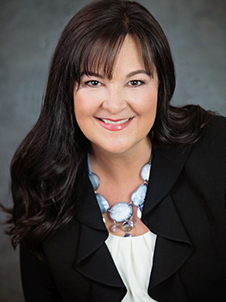
Stephanie Vollrath is an Owner and Partner of Vollrath Law, a Florida estate planning law firm she founded in 2013. With more than seven years of experience in investments and financial advising and 13 years practicing law in Florida, she represented clients in a wide range of estate planning cases. Her practice areas include wills, trusts, guardianship, probate, and other estate planning matters.
Stephanie received her Juris Doctor from the Barry University Dwayne O. Andreas School of Law and is a member of the Florida Bar and the Seminole County Bar Association.