How Long Does Closing on a House Take?

If you’re buying or selling a home in Florida, you’re probably wondering: How long is this going to take? It’s a fair question—and one we hear all the time.
The truth is, closing on a house isn’t just about picking a date on the calendar and signing a few papers. It’s a process. And like any process involving legal documents, money, and multiple parties, it comes with moving pieces.
At Vollrath Law, we help clients across Florida close on homes with clarity and confidence. Here’s what you need to know about how long closing usually takes and what can speed things up or slow them down.
How Long Does It Usually Take to Close on a Home?
Most closings in Florida take between 30 and 45 days from the date your offer is accepted to the day you get the keys.
If you’re paying with cash, it can move much faster, sometimes as little as 7 to 14 days. But when a mortgage is involved (which it usually is), you’ll need to allow time for inspections, appraisals, underwriting, and final loan approval.
According to ICE Mortgage Technology, the national average for closing a home purchase with a mortgage was 44 days in 2024. Florida tends to follow a similar timeline.
So while it’s possible to close sooner, a good rule of thumb is to plan for about a month and be ready for a few extra days, just in case.
What Happens Between “Offer Accepted” and “Here Are Your Keys”?
To understand how long it takes to close, it helps to look at each step along the way. Every one of these tasks takes time, and any one of them can cause delays if not handled properly.
Step 1: Mortgage Application and Pre-Approval
Ideally, you’ve already been pre-approved for a home loan before you make an offer. If not, this is the first major step after signing a purchase agreement.
Your lender will collect documents like pay stubs, tax returns, and bank statements to verify that you can afford the loan. This part moves faster when you’re prepared and responsive.
Timeline: 1 to 5 days for pre-approval; longer if starting from scratch.
Step 2: Home Inspection
Once you’re under contract, the buyer typically has the right to hire a licensed home inspector. The inspection looks for issues with the roof, plumbing, electrical systems, foundation, and more. If major problems turn up, the buyer may request repairs or renegotiate.
In Florida, buyers usually have 10 to 15 days (per contract) to complete the inspection and respond.
Timeline: 3 to 10 days
Step 3: Appraisal
Your lender will schedule an independent appraisal to confirm the home’s market value. If the appraisal comes in lower than the purchase price, you may need to negotiate with the seller or bring extra money to closing.
In busy Florida markets, appraisers can be booked out for a week or more. This step is also a common source of delays if the value doesn’t align.
Timeline: 7 to 10 days after being ordered
Step 4: Title Search
A title company (or a real estate attorney like our team at Vollrath Law) will conduct a title search to make sure the seller actually owns the property and that there are no liens or claims that could affect your ownership.
Florida requires clear title before a home can legally transfer to a new owner. If any issues arise—like an unpaid contractor lien or a deed error—those need to be resolved before closing.
After the closing, title insurance is issued to protect the buyer and lender from any missed issues.
Timeline: 3 to 10 business days (longer if there are title defects)
Step 5: Underwriting and Final Loan Approval
The lender’s underwriting team reviews all documents: your finances, the appraisal, title work, and more. If anything is missing or doesn’t line up, they’ll issue “conditions” that need to be resolved.
This is where it pays to be proactive. Delays in submitting documents (or issues with credit, income, or assets) can slow everything down.
Timeline: 7 to 14 days
Step 6: Closing Disclosure and Walkthrough
At least three business days before closing, federal law (per the CFPB) requires the lender to send the buyer a Closing Disclosure. This document outlines your final loan terms and exact closing costs.
During that window, the buyer usually does a final walkthrough of the property to confirm it’s in agreed-upon condition.
If the disclosure is inaccurate or not sent in time, the closing will have to be rescheduled.
Timeline: 3 business days minimum before closing
Step 7: Closing Day
Closing takes place at the office of the title company, your real estate attorney, or sometimes remotely if all parties agree.
On closing day:
- You sign your mortgage and deed
- Funds are transferred
- The deed is recorded with the county
- You get the keys (typically)
Timeline: Same day in most cases
What Can Delay Closing?
Even when everyone’s working in good faith, delays can happen. Some of the most common include:
- Low appraisal: If the home appraises below the purchase price, the deal may stall unless the price is adjusted or the buyer pays the difference.
- Title issues: Liens, judgments, or ownership problems can take days or weeks to clear.
- Slow underwriting: Missing documents or financial red flags can cause your loan approval to get stuck.
- Inspection problems: Major repairs or last-minute negotiations may delay the timeline.
- Late disclosures: If your lender doesn’t issue the Closing Disclosure on time, federal law requires the closing to be postponed.
How Long After Closing Do You Get the Keys?
In Florida, we’re a “wet funding” state. That means all documents must be signed, funds must clear, and the deed must be recorded before the buyer can take possession of the property.
In most cases, if you close in the morning, you’ll have the keys by the afternoon. If you’re closing late in the day, you may get the keys the next business day. Your sales contract will outline the exact terms.
Can You Close Faster If You’re Paying Cash?
Yes. Without a mortgage, there’s no need for underwriting or a lender-ordered appraisal. You’ll still need a title search, closing documents, and possibly an inspection—but the overall process moves faster.
Typical cash closing in Florida: 7 to 14 days
Who’s Involved in the Closing—and How Do They Affect the Timeline?
Here’s who helps move the process along:
- Real estate agent: Coordinates deadlines, negotiates issues, and keeps communication flowing.
- Closing attorney or title company: Prepares legal documents, clears title, handles escrow, and conducts the closing.
- Lender: Manages your mortgage application, underwriting, and funding.
- Appraiser and inspector: Provide reports that lenders and buyers rely on to move forward.
At Vollrath Law, we work closely with all of these professionals to make sure every piece of the puzzle falls into place on time.
How to Speed Up the Time It Takes to Close
Want to avoid delays? Here are a few tips:
- Get pre-approved before making an offer
- Gather and submit financial paperwork promptly
- Schedule your inspection right away
- Respond to lender and title company requests quickly
- Read and review your Closing Disclosure carefully
- Choose a responsive, knowledgeable closing team
Ready to Close? Let’s Get You There Smoothly.
In Florida, closing on a home typically takes about 30 to 45 days, but with the right team and preparation, it can go faster and smoother than you might expect.
Whether you’re a first-time buyer, a seasoned investor, or selling your family home, our team at Vollrath Law is here to make sure every step of the closing process is handled with care, clarity, and legal precision.
Reach out today to get guidance tailored to your transaction, and let us help you close with confidence.
Author Bio
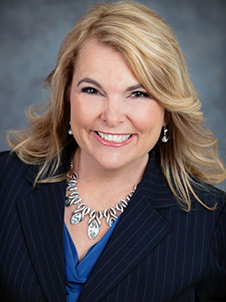
Sharon L. Vollrath, Esq. is a skilled family law attorney and co-founder of Vollrath Law, dedicated to assisting clients in Central Florida with a wide range of family law matters, including divorce, child custody, child support, alimony, and property division. With a strong educational background and hands-on legal experience, Sharon is committed to providing compassionate and effective legal representation to families in need.
Sharon earned her Juris Doctor from Barry University School of Law in Orlando, where she gained valuable experience through internships at the Seminole County Legal Aid Society and Community Legal Services of Mid-Florida. These experiences further solidified her commitment to family law and her ability to navigate complex legal issues. At Vollrath Law, Sharon’s personalized approach ensures that each client receives the guidance, support, and legal advocacy needed to achieve the best possible outcomes in their family law cases.